Your Definitive Guide to Overcoming the Top 20 Concerns When Buying Cars Online

Drive with Confidence: Unveiling the 20 Myths About Buying Cars Online – Debunking Doubts and Unleashing Smart Savings!”

New Cars Sales

In today’s digital age, the prospect of buying a car online promises unparalleled convenience and endless possibilities. Yet, among the vast array of advantages, consumers often find themselves facing a myriad of concerns that cast a shadow of doubt on the credibility of virtual car purchases. From the lack of physical inspection to uncertainties surrounding the vehicle’s condition and history, the online car-buying journey may appear daunting. However, fear not, for we embark on a journey to debunk these apprehensions and shine a light on a trusted solution that ensures a seamless and secure online car buying experience. Welcome to the realm of Green Stone Motors Limited, where transparency, reliability, and unwavering commitment redefine the way you purchase your dream car online.

Here are consumers top 20 concerns:

1. Lack of physical inspection: Consumers may be hesitant to buy a car online because they can’t physically inspect the vehicle before purchase.

2. Uncertainty about the condition: Without a firsthand look, buyers may feel unsure about the actual condition of the car.

3. Fear of hidden damages: Concerns that the online listing might not reveal all potential damages or issues with the car.

4. Skepticism about online sellers: Some consumers might be wary of dealing with unknown online sellers or virtual dealers.

5. Misleading descriptions: Worries that the car’s description might not accurately represent the vehicle’s features or specifications.

6. Reliability of online images: Doubts about the authenticity and accuracy of the car’s images posted online.

7. Trustworthiness of online reviews: Concerns about fake or manipulated customer reviews on online car-selling platforms.

8. Uncertain vehicle history: Buyers may have reservations about the accuracy and completeness of the car’s history provided online.

9. Payment security: Worries about the security of online payment methods and potential fraud.

10. Delivery concerns: Concerns about the safe and timely delivery of the purchased car to their location.

11. Return policy: Uncertainty about the return policy if the car doesn’t meet the buyer’s expectations upon delivery.

12. Customer support: Apprehensions about the availability and responsiveness of customer support for online car purchases.

13. Legal protection: Worries about the legal protections available in case of disputes with the online seller.

14. Identity theft: Fears of potential identity theft or misuse of personal information during the online buying process.

15. Technical issues: Concerns about encountering technical glitches or errors during the online transaction.

16. After-sales service: Worries about the availability and quality of after-sales services for online car purchases.

17. Vehicle registration: Uncertainty about the process of registering the car when purchased online.

18. Lack of test drive: Buyers may hesitate due to the inability to take a test drive before committing to the purchase.

19. Misrepresentation of discounts: Concerns that the claimed discount might not be as substantial as advertised.

20. Trustworthiness of the website: Doubts about the legitimacy and authenticity of the online car-selling platform itself.

“Revolutionising Online Car Buying: How Green Stone Motors Overcomes the Top 20 Consumer Trust Concerns!”

Green Stone Motors
1. Trustworthy Inspection Process: Green Stone Motors Limited employs a team of expert technicians who thoroughly inspect each car before it is listed for sale, ensuring buyers receive a reliable and accurately represented vehicle.

2. Transparent Condition Reports: Buyers can access comprehensive condition reports, including detailed photographs, to get a clear understanding of the car’s condition before making a purchase.

3. Full Disclosure of Vehicle History: Green Stone Motors Limited provides a complete history of each vehicle, including service records, accident history, and mileage verification, instilling confidence in the car’s background.

4. Reputable Online Seller: Green Stone Motors Limited has established a reputable online presence, backed by positive customer reviews and a track record of satisfied customers.

5. Accurate and Detailed Descriptions: The vehicle descriptions on Green Stone Motors’ website are accurate, detailed, and provide all the essential information about the car’s features and specifications.

6. Authentic Images: The images displayed on the website are genuine and showcase the car from various angles, giving buyers a realistic view of the vehicle.

7. Verified Customer Reviews: Green Stone Motors Limited publishes genuine customer reviews, reflecting the positive experiences of previous buyers.

8. Secure Online Payment: The website employs robust security measures to ensure safe and secure online payments, protecting buyers from potential fraud.

9. Reliable Delivery Services: Green Stone Motors Limited partners with reputable logistics providers to ensure the safe and timely delivery of purchased vehicles to the buyers’ location.

10. Clear Return Policy: The company has a transparent return policy that allows buyers to return the car within a specified timeframe if it does not meet their expectations.

11. Responsive Customer Support: Green Stone Motors Limited offers responsive and friendly customer support, addressing buyer inquiries promptly and professionally.

12. Legal Compliance: The company complies with all relevant UK laws and regulations, providing buyers with legal protection in case of any disputes.

13. Data Protection: Green Stone Motors Limited prioritizes data security, ensuring that customers’ personal information is protected and not used for any unauthorized purposes.

14. User-Friendly Website: The website is designed to be user-friendly, minimizing the chances of encountering technical issues during the buying process.

15. Comprehensive After-Sales Services: Green Stone Motors Limited offers excellent after-sales services, including assistance with any post-purchase queries or concerns.

16. Assistance with Vehicle Registration: The company provides guidance and support for the vehicle registration process, ensuring a seamless transition for buyers.

17. Honoring Test Drive Requests: Although an online dealer, Green Stone Motors Limited may offer test drives at designated locations upon request, allowing buyers to experience the car before finalizing the purchase.

18. Transparent Discount Structure: The discounts offered by Green Stone Motors Limited are genuine and well-documented, ensuring buyers are fully informed.

19. Trustworthy Virtual Platform: The website is a secure and authentic virtual car dealership, and buyers can rely on the company’s reputation and credentials.

20. Positive Testimonials: The positive testimonials and experiences shared by satisfied customers serve as a testament to Green Stone Motors Limited’s credibility and trustworthiness in the online car market.

Your Road to Trustworthy Car Purchases: Green Stone Motors’ 20-Point Commitment to Online Buyers’ Peace of Mind!

Green Stone Motors

As we conclude our exploration into the top 20 concerns when buying cars online, one thing remains abundantly clear: Green Stone Motors Limited emerges as the ultimate answer to these fears. With an unwavering dedication to transparency, authenticity, and customer satisfaction, Green Stone Motors has set the gold standard in the virtual car buying landscape. From comprehensive vehicle inspections and detailed condition reports to genuine customer reviews and secured payment methods, this trusted online dealership leaves no stone unturned in guaranteeing your peace of mind. So, as you embark on your next car buying journey, let Green Stone Motors be your guiding light, empowering you to embrace the digital revolution without compromising on trust or quality. Remember, your dream car is just a few clicks away!

Happy Motoring
Green Stone Motors

Understanding the Differences: Car Leasing, PCP, HP, and Personal Loans in the United Kingdom

Introduction:
When it comes to acquiring a new car in the United Kingdom, there are various financing options available to consumers. Understanding the differences between car leasing, PCP (Personal Contract Purchase), HP (Hire Purchase), and personal loans is essential for making an informed decision. This article aims to provide an overview of these financing methods, highlighting their key features, benefits, and considerations to help you choose the most suitable option for your needs.

Green stone motors

1. Car Leasing:
Car leasing involves renting a vehicle for a fixed period, typically between 2 to 4 years, and paying monthly lease payments. With car leasing, you do not own the vehicle at the end of the lease term. Instead, you return it to the leasing company. Key aspects of car leasing include:

– Lower upfront costs: Car leasing usually requires a smaller upfront payment compared to other financing options.
– Fixed monthly payments: Lease payments are typically lower than loan repayments as you are only paying for the depreciation of the vehicle during the lease term.
– No ownership responsibility: Since you don’t own the car, you are not responsible for its resale value or maintenance costs.
– Mileage limitations: Car leasing agreements often come with mileage restrictions, and exceeding the limit can result in additional charges.
– No equity: Unlike other financing methods, you do not build equity or ownership stake in the vehicle.

2. PCP (Personal Contract Purchase):
PCP is a popular financing option that combines elements of leasing and ownership. With PCP, you make monthly payments for a fixed term, typically 2 to 4 years, but have the flexibility to choose between returning the vehicle, purchasing it outright, or trading it in for a new one at the end of the term. Key aspects of PCP include:

– Lower monthly payments: Similar to car leasing, PCP payments are generally lower than traditional loan repayments.
– Guaranteed Future Value (GFV): PCP agreements set a predicted value for the vehicle at the end of the term, known as the GFV. This value determines the final payment required to own the car.
– Flexibility at the end of the term: At the end of the PCP term, you can choose to return the vehicle, purchase it by paying the GFV, or use any equity towards a new PCP agreement.
– Mileage restrictions: Like car leasing, PCP agreements often have mileage limitations and excess mileage charges.
– Maintenance responsibilities: You are responsible for maintaining the vehicle’s condition as per the agreed terms.

3. HP (Hire Purchase):
Hire Purchase (HP) is a financing option where you pay monthly installments over a fixed term until you fully own the vehicle. Key aspects of HP include:

– Ownership at the end: With HP, you gain full ownership of the vehicle once all the repayments, including interest, are made.
– Higher upfront costs: Compared to car leasing or PCP, HP typically requires a higher upfront payment.
– Fixed interest rates: HP agreements often come with fixed interest rates, providing stability in monthly payments.
– No mileage restrictions: Unlike car leasing and PCP, there are no mileage limitations or excess mileage charges in HP agreements.
– Responsibility for maintenance and resale value: As the owner of the vehicle, you are responsible for its maintenance and bear the risk of its depreciation in value.

4. Personal Loans:
Personal loans are a common method of financing a vehicle purchase, where you borrow a lump sum from a lender to buy the car outright. Key aspects of personal loans include:

– Full ownership from the start: With a personal loan, you immediately become the owner of the vehicle, allowing for complete freedom and flexibility.
– Fixed interest rates

: Personal loans often come with fixed interest rates, making it easier to budget monthly repayments.
– No mileage restrictions or maintenance obligations: As the owner, you have no mileage limitations and are solely responsible for maintenance and resale value.
– Higher monthly payments: Compared to other financing options, personal loans may require higher monthly payments due to the absence of balloon payments or lower depreciation-based payments.

Green Stone Motors

Conclusion:
Choosing the right financing option for your new car in the United Kingdom requires careful consideration of your financial situation, priorities, and preferences. Car leasing, PCP, HP, and personal loans each have their unique features and considerations. Car leasing and PCP offer lower monthly payments and flexibility at the end of the term, while HP and personal loans provide ownership from the start and freedom to use the vehicle as you please. Assess your needs, budget, and long-term goals to determine the most suitable financing method that aligns with your preferences and financial capabilities.

The Growing Preference for Luxury SUVs: Range Rover, BMW, and Mercedes Lead the Way

Introduction:
In recent years, the automotive industry has witnessed a remarkable shift in consumer preferences, with an increasing number of individuals opting for luxury SUVs over traditional sedans or sports cars. Vehicles like the Range Rover, BMW, and Mercedes have emerged as popular choices among discerning consumers seeking the perfect blend of comfort, style, and versatility. This article aims to explore the reasons behind the rising popularity of luxury SUVs and highlight why these particular brands are leading the pack.

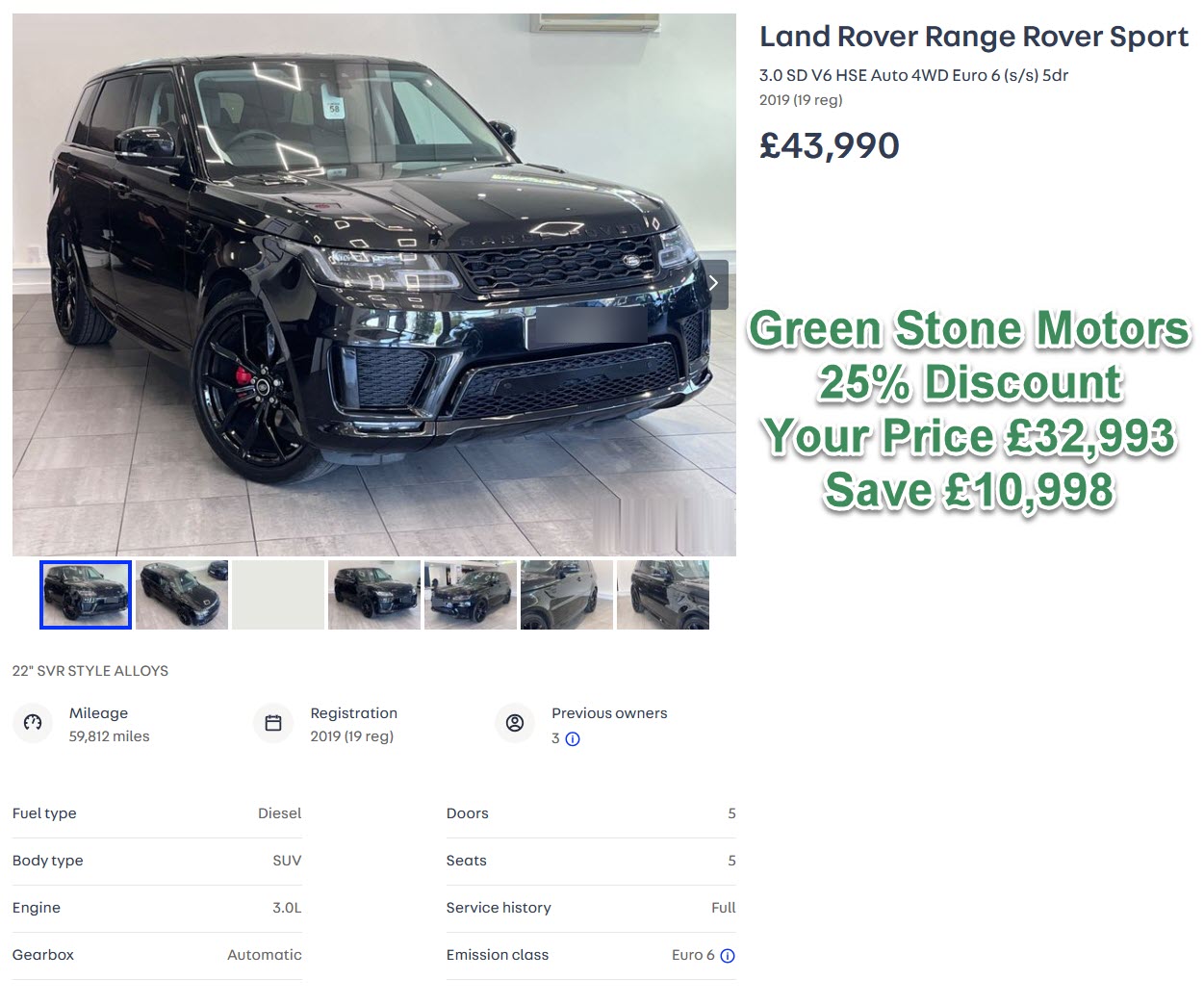
Land Rover Range Rover Sport Green Stone Motors

1. Elevated Driving Experience:
Luxury SUVs offer an unparalleled driving experience, combining the commanding presence of an SUV with the refinement and comfort of a high-end luxury vehicle. Range Rover, BMW, and Mercedes have invested significant resources in engineering their SUVs to deliver a smooth and luxurious ride, thanks to advanced suspension systems and cutting-edge technologies. These vehicles provide a spacious and quiet interior, ensuring a comfortable journey even over rough terrains or long distances.

2. Versatility and Practicality:
One of the key factors driving the preference for luxury SUVs is their versatility and practicality. These vehicles provide ample space for passengers and cargo, making them ideal for families, adventurous individuals, and professionals requiring ample storage capacity. Whether it’s a weekend getaway, a business trip, or a daily commute, luxury SUVs offer the flexibility to handle various scenarios, catering to the diverse lifestyles of modern consumers.

3. Safety Features and Advanced Technologies:
Range Rover, BMW, and Mercedes have been at the forefront of automotive innovation, equipping their luxury SUVs with cutting-edge safety features and advanced technologies. These vehicles often come equipped with driver-assistance systems, adaptive cruise control, lane-keeping assist, blind-spot monitoring, and advanced braking systems, among others. The integration of such features ensures a safer driving experience, reducing the risk of accidents and providing drivers with added confidence on the road.

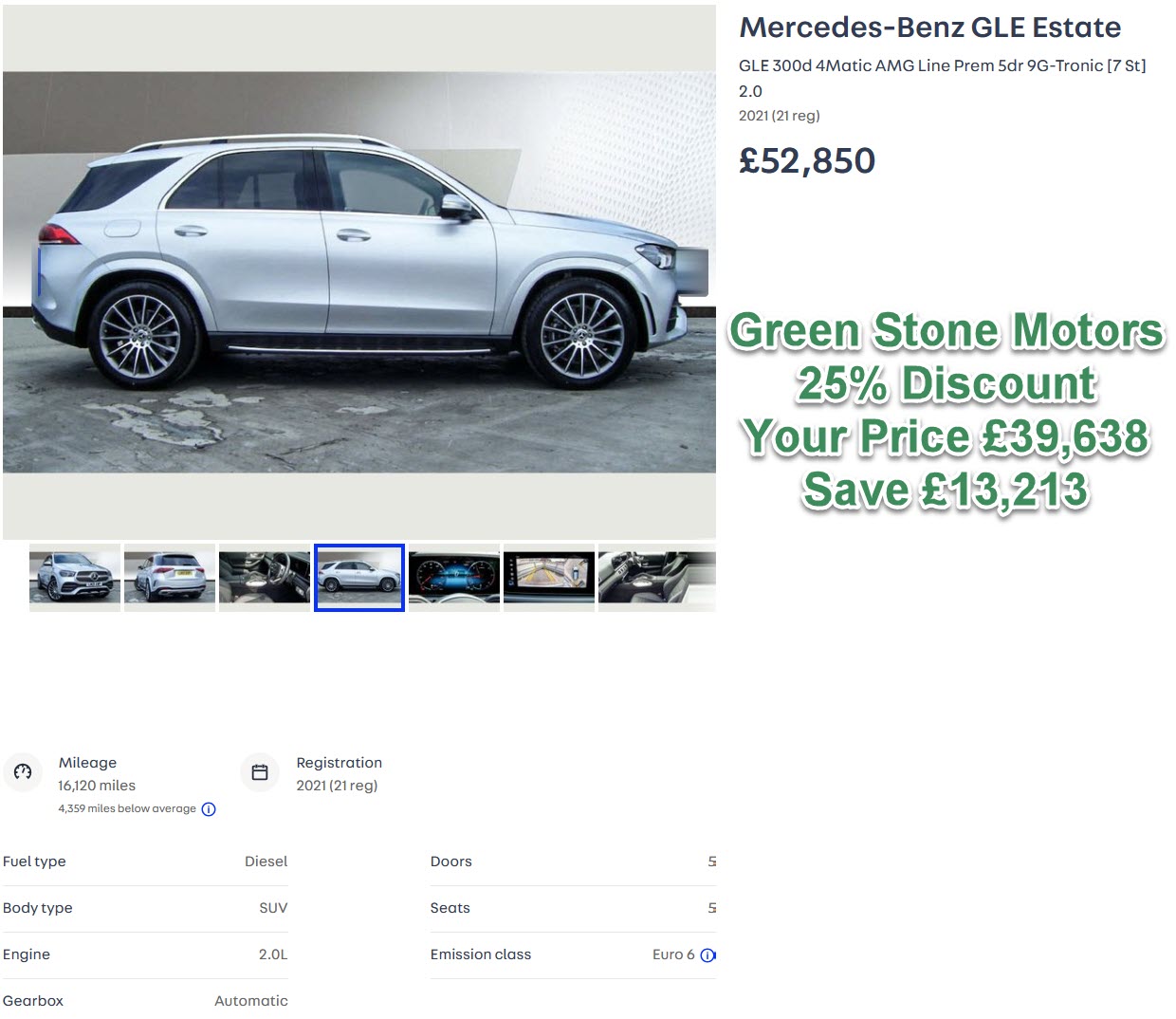
Mercedes-Benz GLE Estate

4. Prestige and Status Symbol:
Luxury SUVs have become synonymous with prestige and status, symbolizing success and affluence. Brands like Range Rover, BMW, and Mercedes have long-established legacies of producing high-quality vehicles associated with luxury, elegance, and superior craftsmanship. Owning one of these brands’ luxury SUVs is seen as a statement of refined taste, sophistication, and social status, appealing to consumers who value exclusivity and recognition.

5. Aesthetics and Customization Options:
Luxury SUVs from Range Rover, BMW, and Mercedes are designed to captivate with their sleek lines, distinctive grilles, and elegant proportions. These vehicles effortlessly blend sophistication and ruggedness, appealing to a wide range of consumers. Furthermore, these brands offer extensive customization options, allowing buyers to tailor their SUVs according to their personal preferences and style, ensuring a unique and personalized ownership experience.

6. Resale Value and Longevity:
Luxury SUVs from reputable brands tend to retain their value well over time. Range Rover, BMW, and Mercedes vehicles are known for their longevity and durability, making them attractive options for buyers who consider the long-term investment. The perception of owning a reliable and prestigious vehicle that holds its value contributes to the growing preference for these luxury SUVs.


BMW X5 Series

Conclusion:
The rise in popularity of luxury SUVs, specifically those from Range Rover, BMW, and Mercedes, can be attributed to a combination of factors. These vehicles offer an elevated driving experience, versatility, advanced safety features, and cutting-edge technologies. Moreover, they serve as symbols of prestige and status while providing a wide range of customization options. The allure of luxury SUVs goes beyond mere transportation; it represents a lifestyle choice that combines elegance, practicality, and exclusivity. As consumer preferences continue to evolve, it’s no surprise that more individuals are gravitating towards these exceptional vehicles.

Unlock Immediate Savings, Secure Future Value: Why Green Stone Motors Is Your Ultimate Destination for Quality Cars at 25% Off!

bmw 5 series

Green Stone Motors: Saving 25% Today and Maximizing Value Tomorrow

Introduction:

When it comes to purchasing a car, two factors often dominate our decision-making process: affordability and future value. We all want a reliable vehicle without breaking the bank, but we also consider the depreciation rate and potential resale value. That’s where Green Stone Motors comes in. With their enticing offer of up to 25% savings on high-quality cars, they not only provide immediate financial relief but also promise a brighter future for your investment. Let’s explore why choosing Green Stone Motors can be a smart move for both your wallet and your car’s future value.

Immediate Savings:

Green Stone Motors‘ unbeatable discounts allow you to drive away with substantial savings. By purchasing a car from Green Stone Motors, you can save up to 25% off current market prices. This means more money in your pocket, providing financial flexibility and opening doors to other important aspects of your life. From funding your dreams to investing in your passions, the savings can make a real difference.

Quality Assurance:

Worried that a discounted price may come at the cost of quality? Fear not! Green Stone Motors prides itself on delivering only high-quality vehicles to its customers. Each car undergoes a rigorous inspection by their team of experts, ensuring that you receive a reliable and long-lasting vehicle. With Green Stone Motors, you can have peace of mind, knowing that your car meets stringent standards and will serve you well for years to come.

Maximizing Future Value:

While immediate savings are fantastic, it’s also essential to consider the long-term value of your investment. One of the key aspects that influence a car’s resale value is depreciation. Typically, cars experience depreciation over time, but the rate can vary depending on various factors such as make, model, and condition. Green Stone Motors’ commitment to providing high-quality vehicles means that your car is likely to retain its value better compared to others in the market. This translates into better prospects when it’s time to sell or trade-in your vehicle in the future.

By choosing Green Stone Motors, you’re not only saving money upfront but also positioning yourself for a more favorable resale experience down the road. The confidence that comes with owning a quality car can help you negotiate better prices, attract more potential buyers, and ultimately secure a higher return on your investment.

Conclusion:

When it comes to buying a car, it’s crucial to consider both immediate savings and long-term value. Green Stone Motors offers the perfect balance, providing up to 25% discounts on high-quality vehicles. Their commitment to quality ensures a reliable and long-lasting driving experience, giving you peace of mind throughout your ownership. Furthermore, their dedication to maintaining value means your investment is more likely to hold its worth when it’s time to sell or trade-in your car in the future. So, why compromise on affordability or sacrifice on resale value? Choose Green Stone Motors and drive smarter while securing a better financial future for your car.

The Pros and Cons of Buying a Used Car: Making an Informed Choice

Introduction

When considering purchasing a vehicle, buying a used car is a popular option for many individuals. However, it’s important to carefully weigh the advantages and disadvantages before making a decision. In this article, we will explore the benefits and drawbacks of buying a used car. By examining factors such as affordability, depreciation, reliability, maintenance costs, and vehicle history, we aim to provide a comprehensive analysis that will help you make an informed choice when considering a used car purchase.

buying a used car

Advantages of Buying a Used Car

1. Affordability and Cost Savings
One of the primary advantages of buying a used car is the significant cost savings compared to purchasing a new vehicle. Used cars generally have a lower price tag due to depreciation, allowing you to get more value for your money. This affordability makes used cars a practical choice for individuals on a budget or those looking to allocate their funds to other financial priorities.

2. Lower Depreciation
New cars experience the most significant depreciation within the first few years of ownership. By buying a used car, you avoid this initial depreciation hit. Used cars have already experienced their steepest decline in value, allowing you to potentially sell the vehicle in the future with minimal loss compared to a new car. This can be particularly advantageous if you plan to change vehicles frequently or want to minimize the financial impact of depreciation.

3. Wide Variety and More Options
The used car market offers a vast array of options, providing you with a wider selection of makes, models, and features. You can choose from different years and generations, allowing you to find a car that meets your specific needs, preferences, and budget. The availability of diverse options gives you the flexibility to explore various brands and models that may no longer be in production or fall outside your budget if purchased new.

4. Lower Insurance Costs
Used cars generally come with lower insurance costs compared to new vehicles. The lower value and reduced risk of theft associated with older cars contribute to more affordable insurance premiums. This can result in substantial savings over time, particularly for drivers who prioritize cost-effective insurance coverage.

5. Established Reliability and Vehicle History
Many used cars have a proven track record of reliability and durability. By researching the specific make and model, you can gain insights into common issues, reliability ratings, and owner experiences. Additionally, you can review the vehicle’s history, including maintenance records and accident reports, to assess its overall condition and potential risks. This information empowers you to make an informed decision and choose a used car with a reliable reputation.

Disadvantages of Buying a Used Car

1. Higher Maintenance and Repair Costs
Used cars may require more frequent maintenance and repairs compared to new vehicles. As cars age, components may wear out, and mechanical issues may arise. While these costs can vary depending on the vehicle’s condition and maintenance history, it’s important to budget for potential repairs and consider the overall reliability of the specific used car you are considering.

2. Limited or No Warranty Coverage
Used cars generally have limited or no warranty coverage, depending on the age and mileage of the vehicle. Unlike new cars that often come with comprehensive manufacturer warranties, used cars may require you to bear the cost of repairs and replacements. However, some dealerships or third-party providers offer extended warranty options, providing additional coverage for certain components or systems. It’s essential to consider warranty options and factor them into your decision-making process.

3. Uncertainty about Previous Ownership and Usage
When purchasing a used car, you may have limited information about its previous ownership and usage. It’s possible that the vehicle may have been involved in accidents, had multiple owners, or undergone extensive wear and tear. Without a complete understanding of the car’s history, you may face uncertainties regarding its condition, potential hidden issues, or the accuracy of reported mileage. It’s crucial to conduct a thorough inspection and obtain a vehicle history report to mitigate these risks.

4. Outdated Technology and Features
Used cars, particularly older models, may lack the latest technological advancements and safety features available in newer vehicles. While some drivers may not prioritize the latest gadgets, others may miss out on advanced infotainment systems, driver-assistance technologies, or fuel-saving innovations. If staying up to date with cutting-edge features is essential to you, buying a used car may not fulfill your desires in this regard.

5. Potential Higher Fuel Consumption
As technology advances, newer cars tend to offer improved fuel efficiency, leading to reduced fuel consumption and lower ongoing costs. Older used cars may not offer the same level of fuel efficiency, potentially resulting in higher fuel expenses. It’s important to consider your driving habits, the distances you frequently travel, and the impact of potential higher fuel consumption on your budget when choosing a used car.

Conclusion

Buying a used car provides several advantages, including affordability, lower depreciation, a wide range of options, lower insurance costs, and established reliability. However, it’s important to consider the disadvantages, such as potential higher maintenance and repair costs, limited warranty coverage, uncertainty about previous ownership and usage, outdated technology, and potentially higher fuel consumption. By carefully evaluating these pros and cons, along with considering your personal preferences and financial circumstances, you can make an informed decision that aligns with your needs and budget.

Happy Driving
Green Stone Motors


The Pros and Cons of Buying a New Car: A Comprehensive Analysis

Introduction

Purchasing a new car is an exciting prospect for many individuals. However, it’s essential to weigh the advantages and disadvantages before making a decision. In this article, we will explore the benefits and drawbacks of buying a new car. By examining factors such as reliability, warranties, customization options, depreciation, and cost, we aim to provide a comprehensive analysis that will help you make an informed choice when considering a new car purchase.

Advantages of Buying a New Car

1.Reliability and Peace of Mind
One of the primary advantages of buying a new car is the assurance of reliability. New vehicles typically come with advanced safety features, cutting-edge technology, and updated mechanical systems. With no prior wear and tear, you can expect fewer breakdowns and repairs in the early years of ownership. This reliability can offer peace of mind, especially for those who rely on their vehicle for daily commutes or long-distance travel.

2.Manufacturer Warranty and Support
New cars often come with comprehensive manufacturer warranties, providing coverage for a specific period or mileage. These warranties can vary but commonly cover repairs and replacement of defective parts. In the event of unforeseen issues, the warranty offers financial protection and ensures that the manufacturer will address and resolve problems promptly. Furthermore, authorized service centers have the necessary expertise and access to genuine parts, enhancing the overall ownership experience.

3.Customization Options
Buying a new car allows you to personalize your vehicle to suit your preferences. From choosing the exterior color, interior materials, and additional features, you have the opportunity to create a car that matches your style and requirements. Customization options enable you to select the latest technology, safety features, and entertainment systems, ensuring your new car meets your specific needs and enhances your driving experience.

4.Advanced Technology and Safety Features
Newer models often incorporate the latest technological advancements and safety features that improve overall driving comfort and protection. These may include adaptive cruise control, blind-spot monitoring, lane departure warning, collision avoidance systems, and advanced infotainment systems. By purchasing a new car, you gain access to these innovations, which can enhance your safety on the road and provide a more enjoyable driving experience.

5.Lower Maintenance and Repair Costs
New cars require less maintenance and have fewer repair needs in the early years of ownership. With new parts and components, the likelihood of breakdowns and major repairs is significantly reduced. Additionally, some manufacturers may offer complimentary scheduled maintenance for a specific period, further reducing ownership costs. Consequently, buying a new car can save you money on maintenance and repairs compared to purchasing an older vehicle.

New Cars Sales

Disadvantages of Buying a New Car

Depreciation and Value Loss
The most significant disadvantage of buying a new car is its rapid depreciation. As soon as you drive a new car off the lot, its value significantly decreases. Within the first few years of ownership, the vehicle may lose up to 20-30% of its original value. This depreciation can result in a substantial financial loss if you decide to sell or trade in the car in the near future.

1.Higher Purchase Price
New cars come with a higher price tag compared to used or pre-owned vehicles. The initial cost of purchasing a new car can be a significant investment and may require financing or a large upfront payment. This higher purchase price can limit affordability for some buyers, potentially pushing them towards older vehicles or alternative transportation options.

2.Insurance Costs
Insuring a new car can be more expensive than insuring a used vehicle. The higher value of a new car and the potential cost of repairs or replacements in case of an accident contribute to increased insurance premiums. The exact insurance costs can vary based on factors such as the vehicle model, your driving history, and location, but it’s crucial to consider these expenses when budgeting for a new car.

3.Limited Customization for Immediate Delivery
While customization is an advantage of buying a new car, it’s important to note that some customizations may require ordering a vehicle and waiting for its production and delivery. This can be inconvenient if you need a car immediately or have a specific timeframe in mind. In such cases, opting for an existing model from a dealership’s inventory might limit your customization options.

4.Uncertain Long-Term Reliability
Although new cars are generally more reliable, it’s challenging to determine their long-term dependability without a track record. Newly introduced models or redesigned vehicles may encounter unforeseen issues that only become apparent after they’ve been on the market for some time. As a result, there’s a level of uncertainty regarding the long-term reliability and performance of new car models.

Conclusion

Buying a new car offers several advantages, including reliability, manufacturer warranties, customization options, advanced technology, and lower maintenance costs. However, it’s crucial to consider the disadvantages, such as rapid depreciation, higher purchase price, insurance costs, limited immediate customization, and uncertain long-term reliability. By carefully weighing these pros and cons, along with personal preferences and financial considerations, you can make an informed decision about whether buying a new car aligns with your needs and priorities.

Happy Driving
Green Stone Motors